Under the Volcanoes

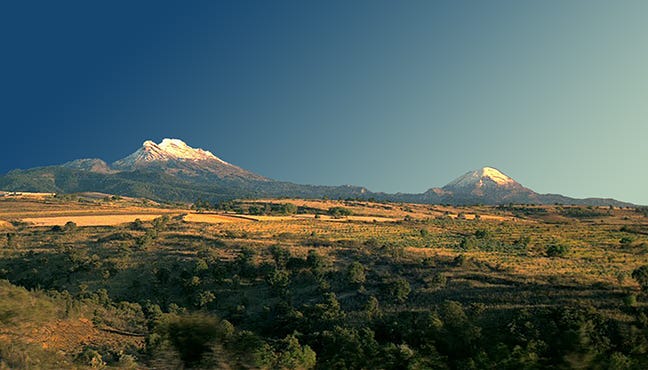
Some of you will be familiar with Malcolm Lowry’s 1947 novel, Under the Volcano, which tells the sad and sordid tale of an alcoholic British consul in the city of Quauhnahuac, real life Cuernavaca. I took it with me on my first Latin American volcano-climbing expedition seven years ago, it seemed an appropriate read but the truth is that I didn’t get on with it and the book spent most of the trip buried at the bottom of my rucksack.
I suspect my disappointment was partly due to the fact that the volcanoes that form the backdrop to the novel, Popocatépetl and Iztaccíhuatl, aren’t even bit-part players in the narrative. Perhaps I was expecting a literary rendition of Dante’s Peak, what I got didn’t reflect the dramatic realities of living in the shadow of one of the world’s most active volcanoes.
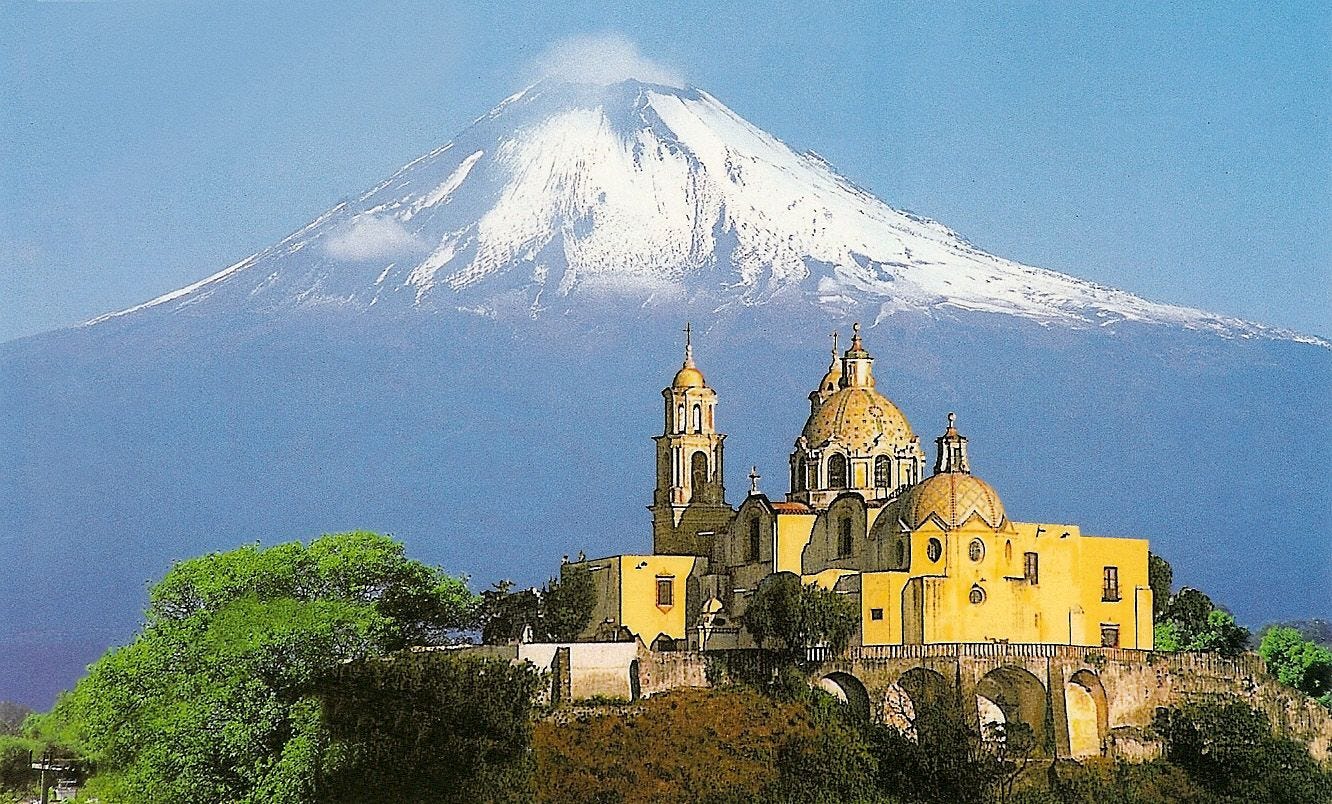
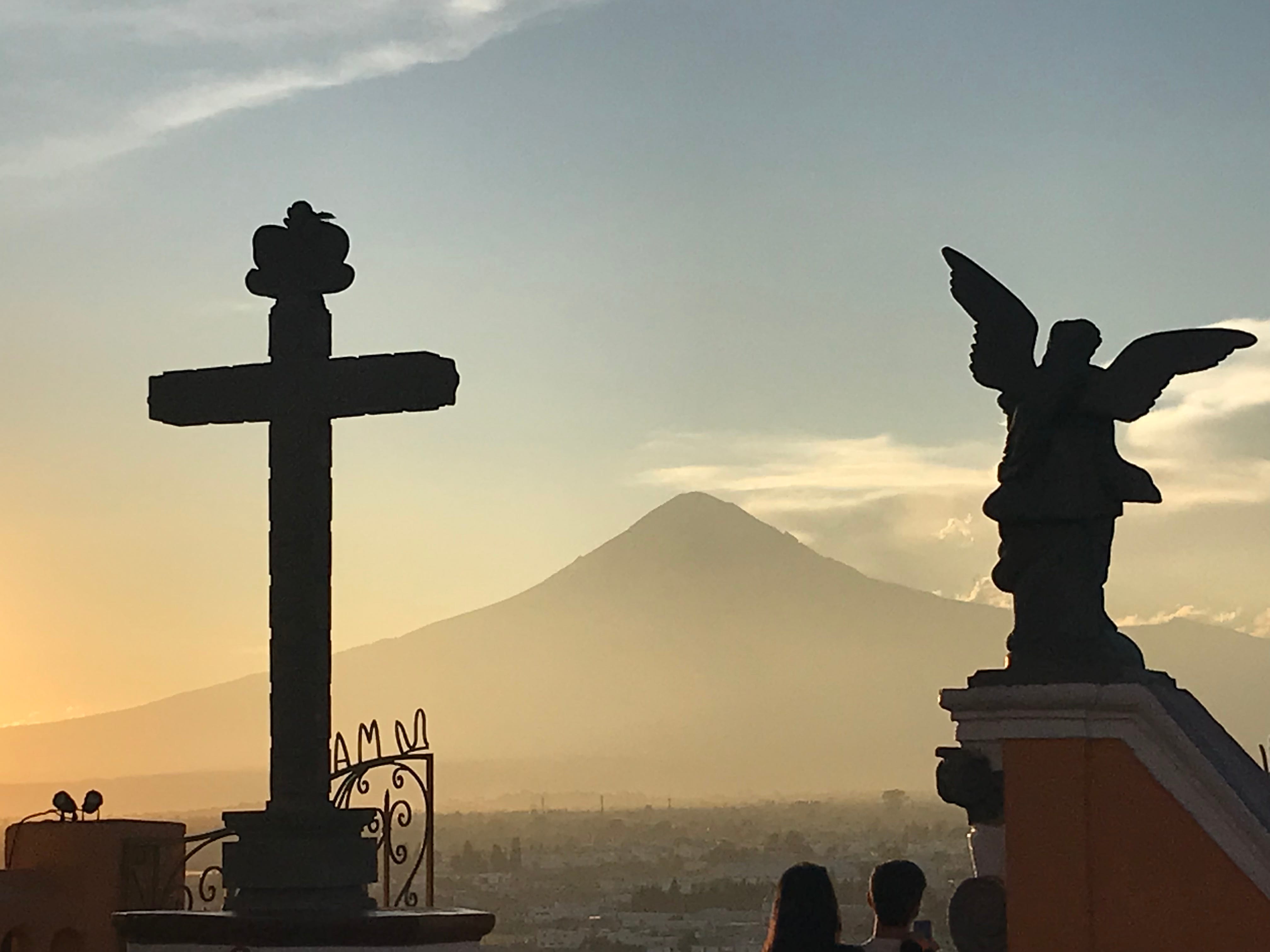
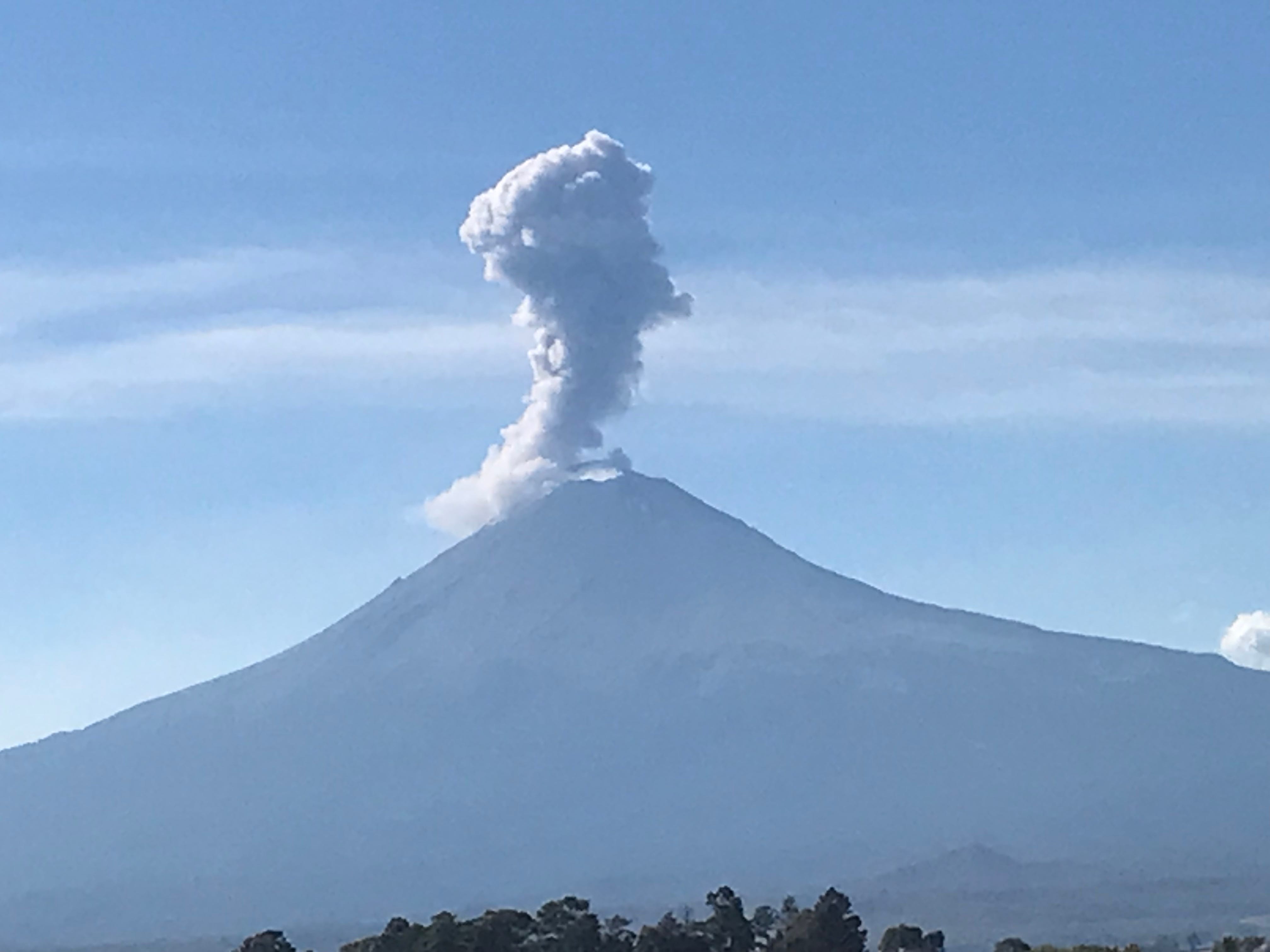
Although, on a (very rare) clear day, ‘Popo’ and ‘Izta’ can be seen from downtown Mexico City, the best views can be had from the Sanctuary of Nuestra Señora de los Remedios, a gaudy Baroque church built on top of the pre-Columbian Great Pyramid of Cholula. Don’t be fooled by the photos proferred by the local tourist board which take the concept of perspective to absurdist, Father Dougal proportions. Never the less, the view of the twin peaks is nothing less than impressive, particularly at sunrise and sunset when the summits are usually free from cloud. During a couple of sojourns in Cholula last month, this is where you would find me, gazing lovingly up at Popocatépetl, willing it to erupt, which it did, from time to time.
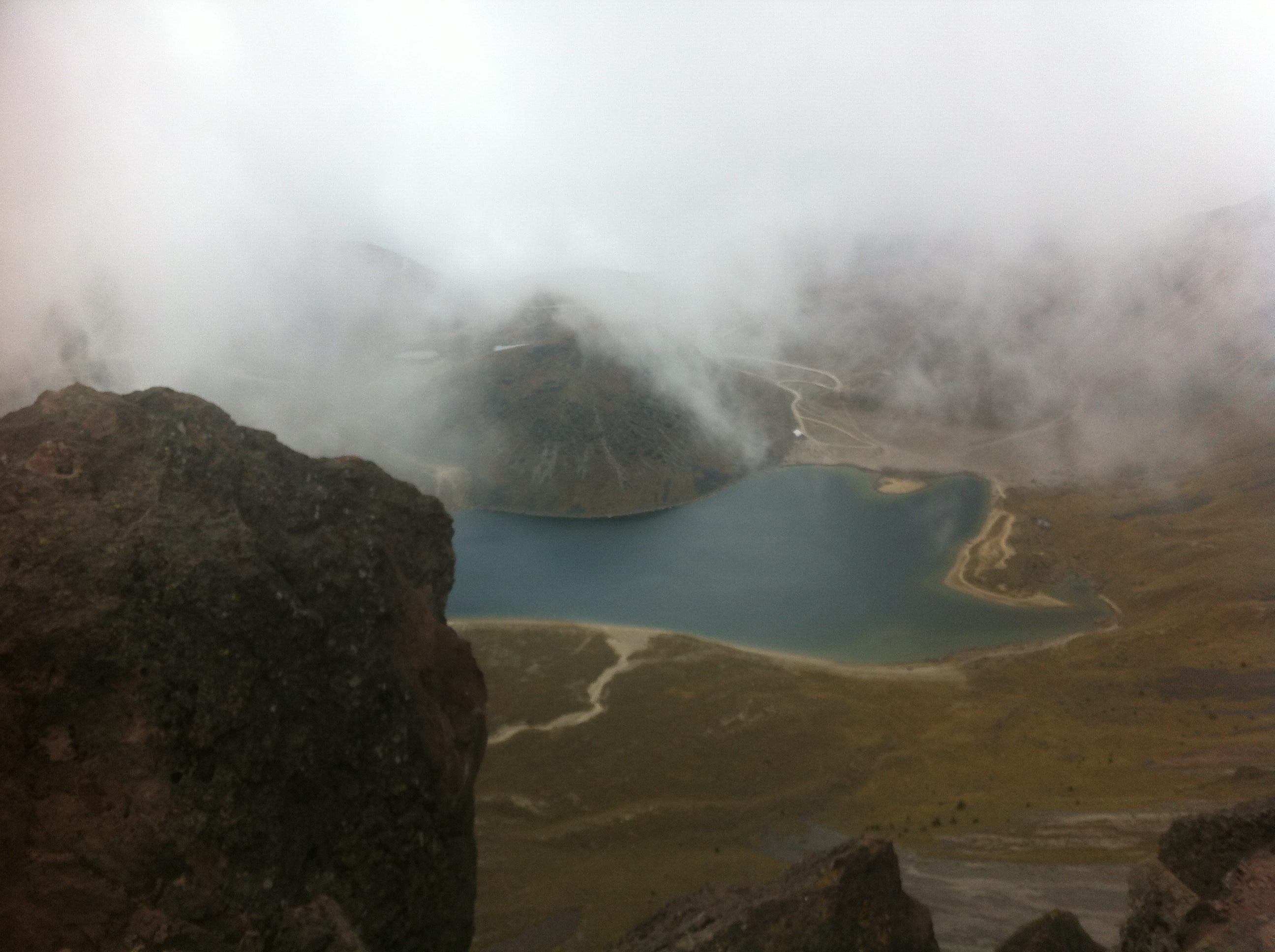
The first time I came up close and personal with ‘Popo’ and ‘Izta’ was December 2016. To celebrate - or rather mourn - my fiftieth birthday I set out to explore the Trans-Mexican belt and Central American volcanic arc, from Guadalajara in the north to León, Nicaragua, in the south. After acclimatising on an ascent of the inactive Xinantecatl (Nevado de Toluca, 4680m), my guide, Piotr, and I set out to climb Iztaccíhuatl (5230m). Sadly, due to the first rumblings of Montezuma’s Revenge, I had to turn back in the hour-before-dawn dark, barely a couple of hundred metres from the refugio where we’d spent the night.
But failure, like absence, makes the heart grow fonder and on several occasions over the past year I’ve been drawn back to ‘Popo’ and ‘Izta’. A ninety minute bus ride will take you from Mexico City to the town of Amecameca from where, for MXN$350 (about 17€/£20), a friendly local taxista will gladly transport you up a long and winding road to the Paso de Cortés, the 3600m saddle between the two volcanoes. From here it’s a 20 kilometre return hike along a dusty track to La Joya, Iztaccíhuatl’s base camp, at 4000m. On my most recent visit I arrived as a large group of hikers were returning from a summit bid, not all of them successful but you could easily tell who’d got to the top and who hadn’t. The steep slopes and loose, stony paths make for a tough climb and altitude sickness doesn’t discriminate between the athlete mountaineer and the casual excursionist, several decades ago, climbing Volcán de Agua in Guatemala I watched a lithe and superfit young American vomit profusely whilst I was taking a cigarette break.
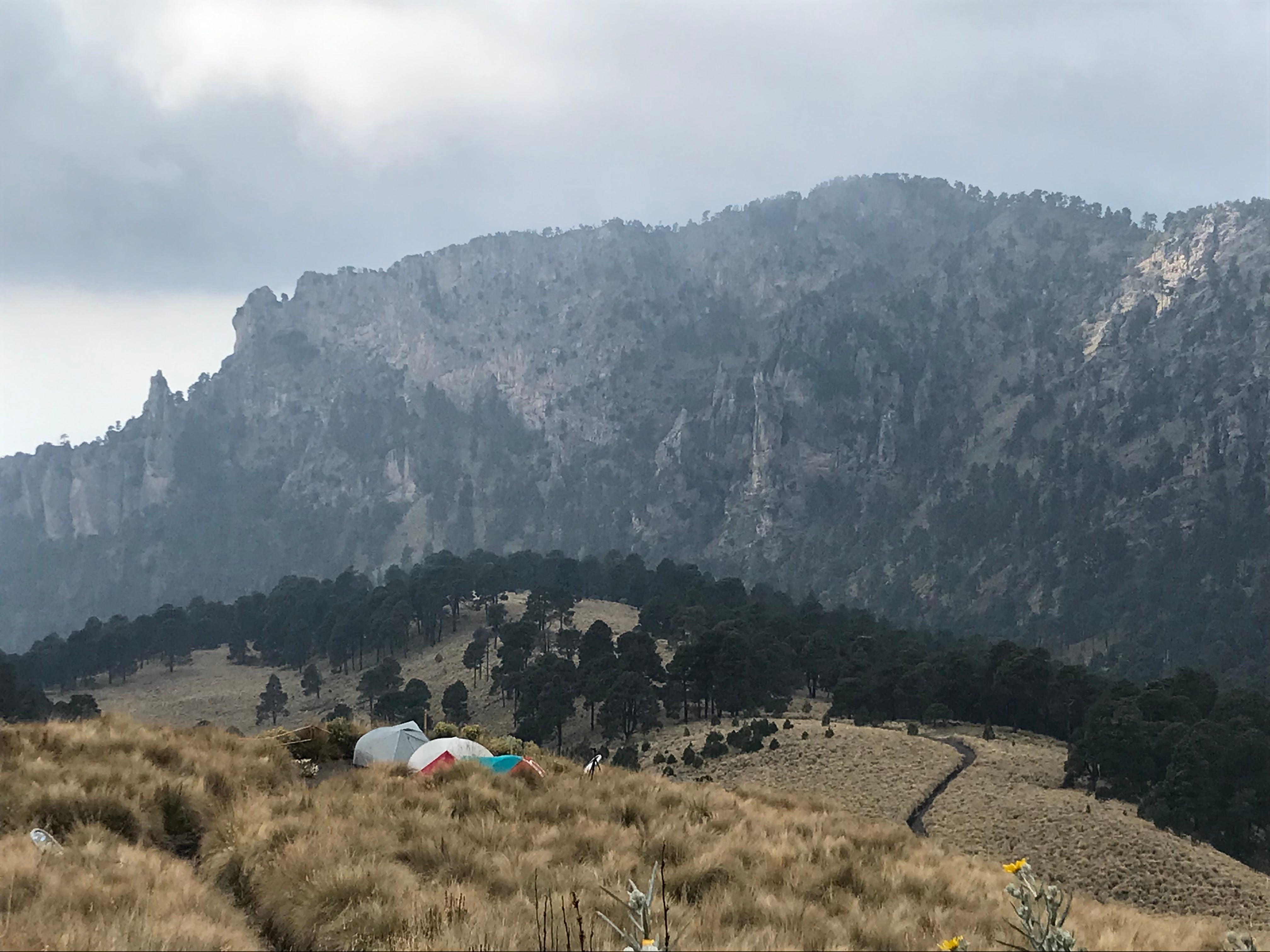
I’ve sworn on the luscious locks of Europe’s poodle-haired frontman, Joey Tempest, that I’ll make another attempt on Iztaccíhuatl when I return to Mexico later this year, I wish I could make the same commitment to Popo but since it resumed activity in December 1994 it’s been subject to an exclusion zone, enforced by the presence of a mobile but now permanent police presence at the top of the Paso de Cortés. There have been several clandestine ascents but one of the most recent resulted in the death of a female climber, killed by a volcanic bomb ejected by one of Popo’s regular exhalations.
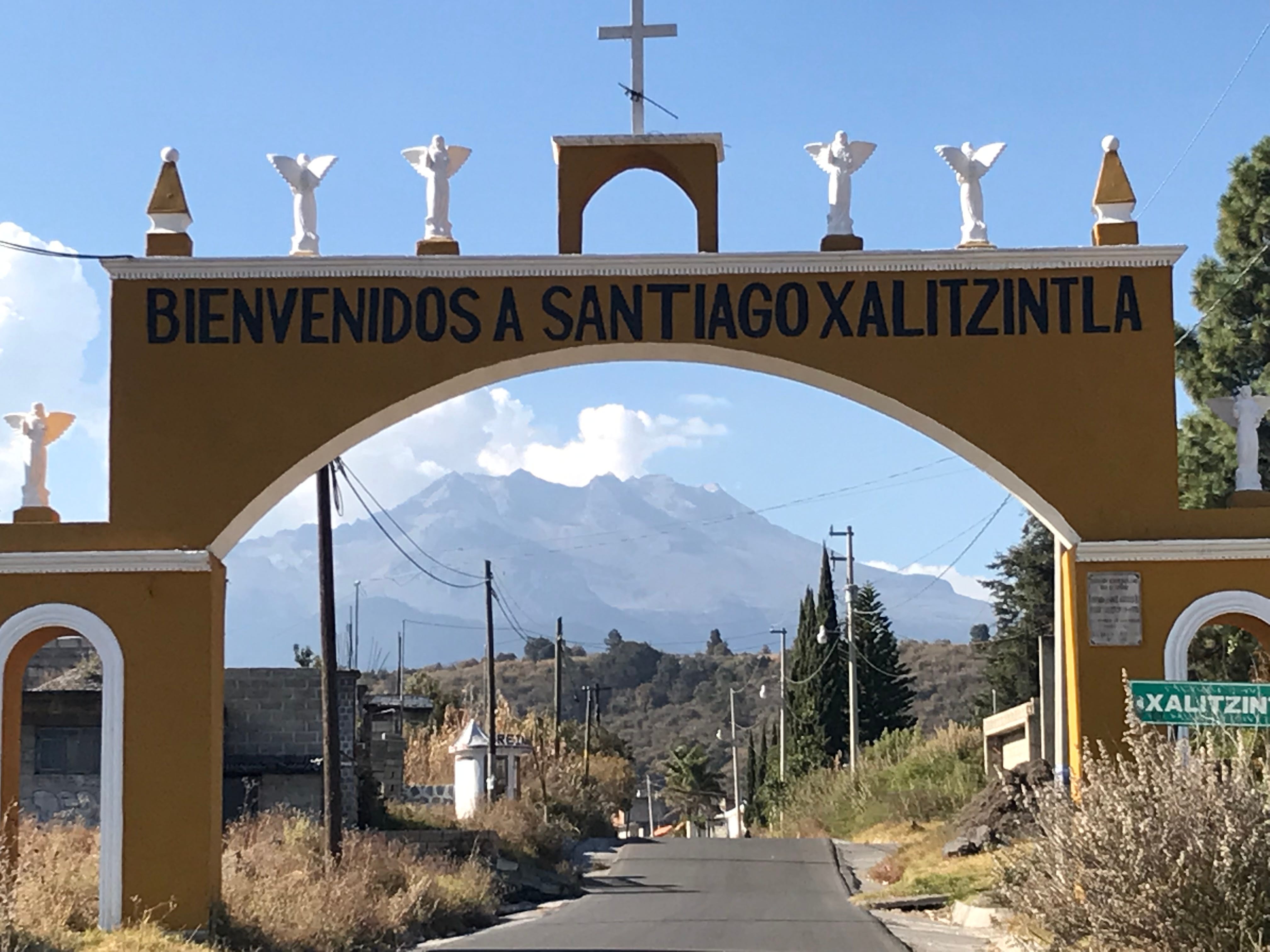
So for the foreseeable future I shall have to be content with exploring Popo’s peripheries. From Cholula a paved highway passes through the suburbs before negotiating a series of villages on the volcano’s eastern flanks to terminate at Santiago Xalitzintla. One memorable day last December, by bus and on foot, I made it to the end of the road where, under the volcano, I encountered an Irish woman, Michelle, one of whose dogs bit me on the ankle. I envied Michelle’s location, though I’m not sure I could cope with isolated village life. When Popo goes off, Michelle and the inhabitants of Santiago Xalitzintla feel it more than most; the earth rumbles and shakes, a coat of fine ash settles on the surrounding fields of maize. In December 2000 tens of thousands of residents were evacuated as volcanologists successfully predicted a spectacular eruption which spewed lava and pyroclastic flows and ejected 5km high cloud of ash and gas into the sky. Clearly signposted evacuation routes have been created on either side of Popo but the locals have come to love and respect him, referring to him, affectionally, as Gregorio Chino Popocatépetl or Don Goyo, the personification of Popo’s spirit. The presence of science is welcome but it’s Don Goyo who warns them when he’s about to go off on one.
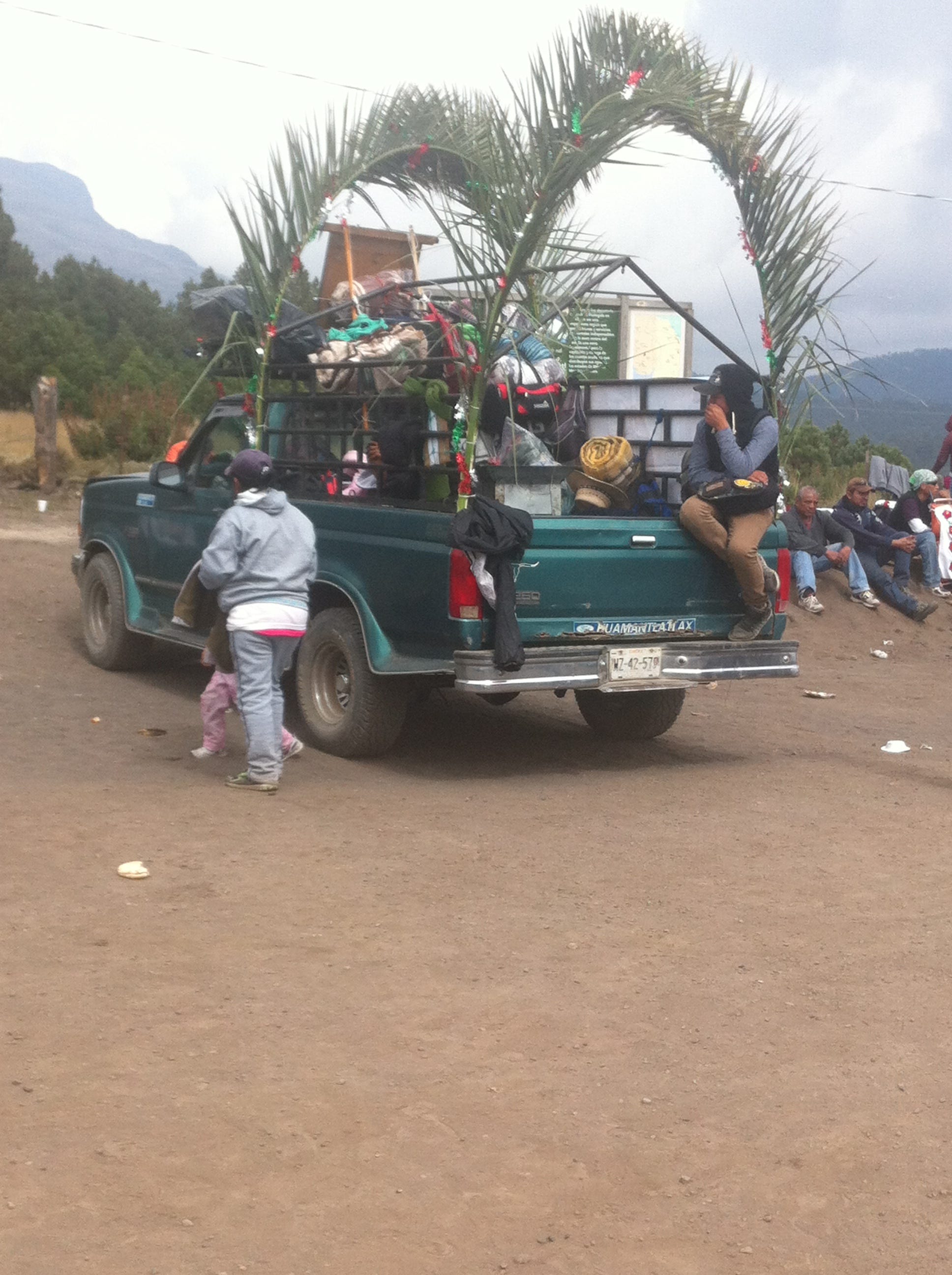
I said my farewells to Popo and Izta on the day of the Immaculate Conception, and took the bus from Cholula to Mexico City to prepare myself for the pilgrimage to the Basilica of Our Lady of Guadalupe. As I departed a steady flow of devotees were on their way already, passing through Cholula before setting out for the long slog up to the Paso de Cortés. They had the best of both worlds, the Virgin on their backs and the volcanoes at their side, the sacred and the profane. More about them in the next post …
Fabulous post, I'm most jealous!